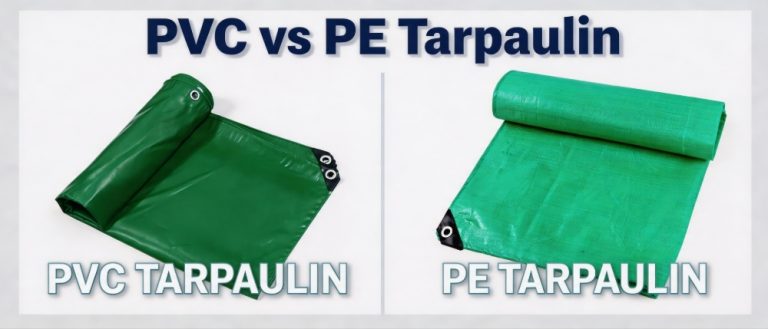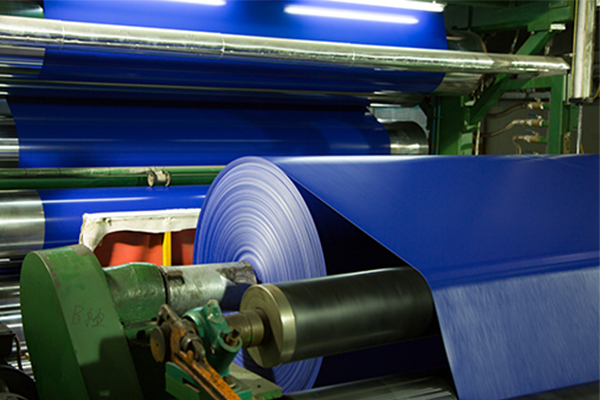
Waterproof tarpaulin material is used to make covers, curtains, and enclosures that help keep water away from the protected area. Selecting it involves more than choosing a color or weight: the sheet construction and the way it will be joined and supported both affect the result.
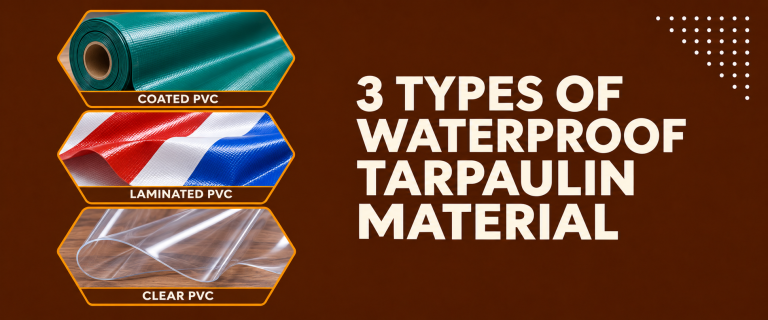
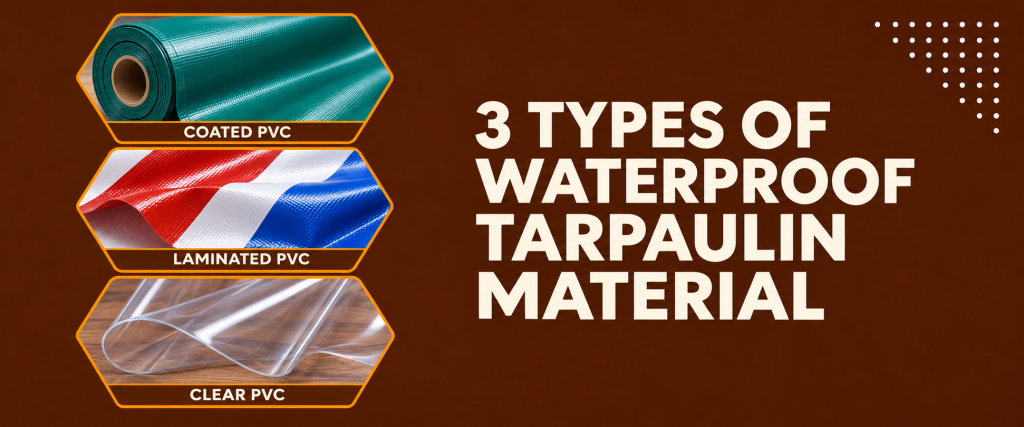
This guide introduces three types of waterproof tarpaulin material: PVC coated, PVC laminated, and clear PVC. These are three practical options in the UNISIGN range, with different reinforcement and visibility characteristics.
1. PVC Coated Tarpaulin Material
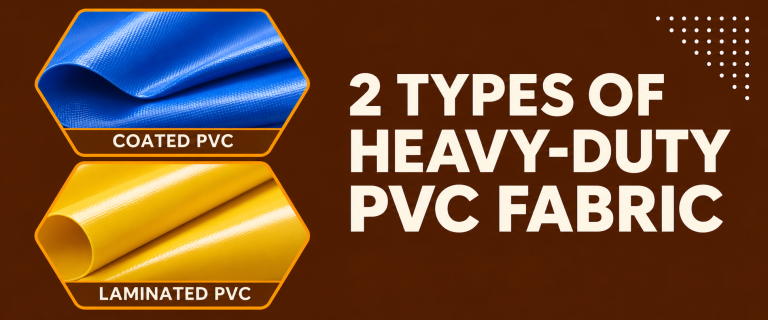
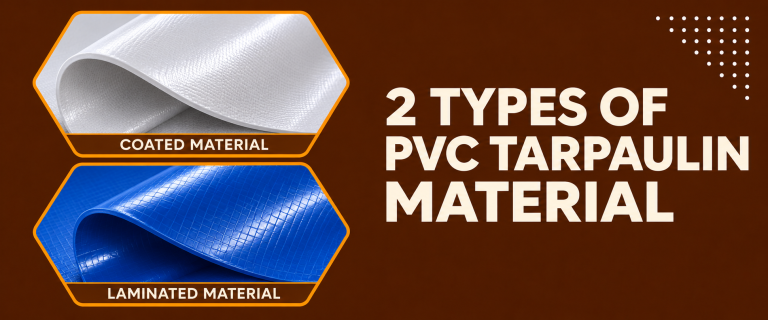
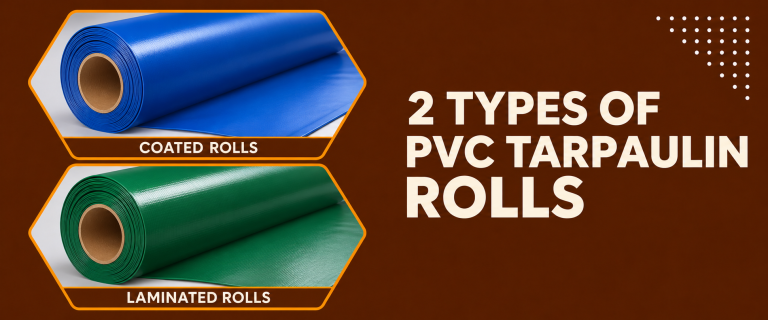
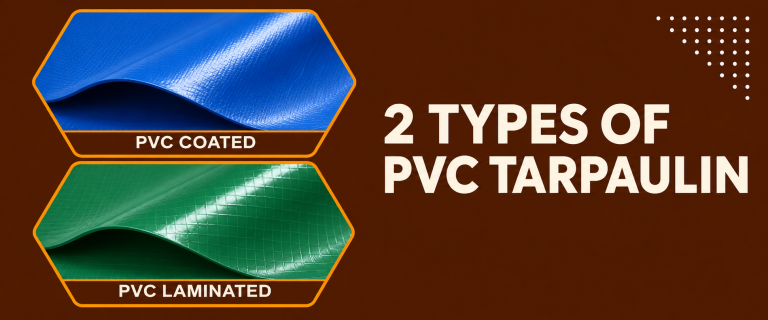
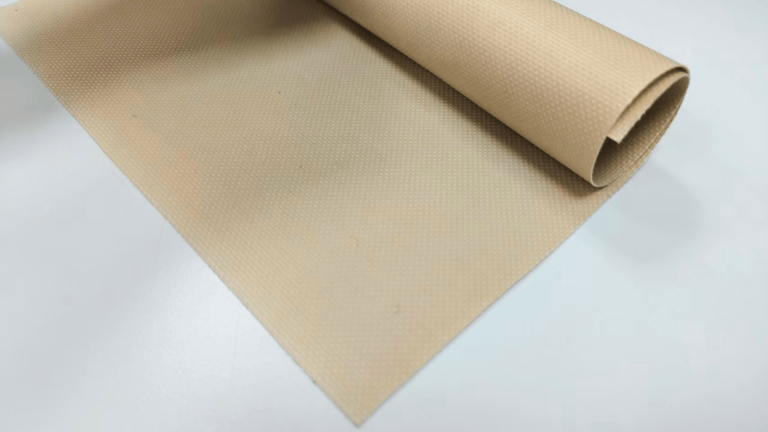
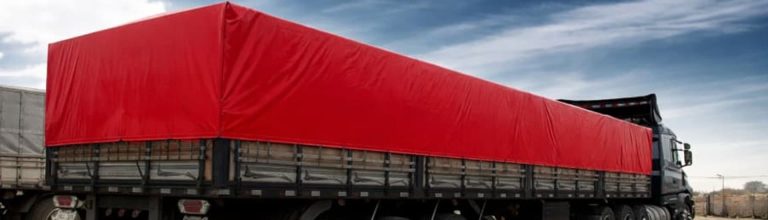
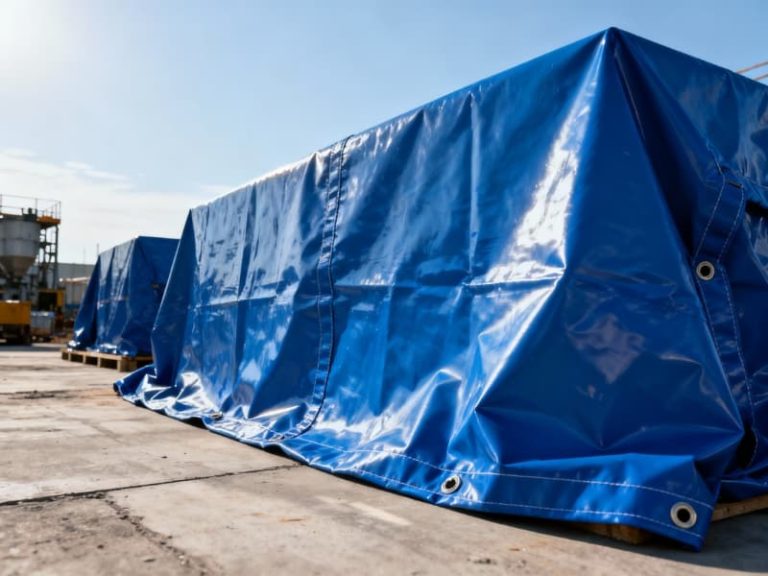
PVC coated tarpaulin combines a polyester base with an applied PVC coating. It is a common starting point for protective covers where a continuous surface and a reinforced construction are needed. UCT1122/650 is a useful model for evaluating the fabric and the planned fabrication details.

Here’s Why It’s Popular:
- Example: UCT1122/650, listed at 650 g/m².
- Reinforcement: 1000D × 1000D yarn; 20 × 20 per square inch.
- Roll supply: Maximum listed width 5.1 m; 50 m or 100 m lengths.
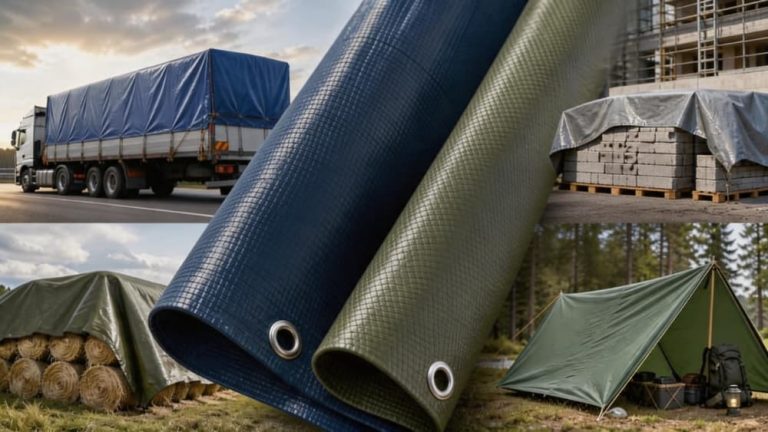
- Typical applications: Truck, trailer, pallet, container, and boat covers.
- Advantages:
- A coated reinforced sheet for protective cover fabrication.
- An acrylic-lacquered model for reviewing the desired surface finish.
- Wide-roll options for planning joints and panel sizes.
The material can be specified for water resistance, but a finished cover also needs appropriate joints, edges, fasteners, and drainage. Test these details using the actual fabrication method.
Explore material specifications
Request a Free Sample2. PVC Laminated Tarpaulin Material
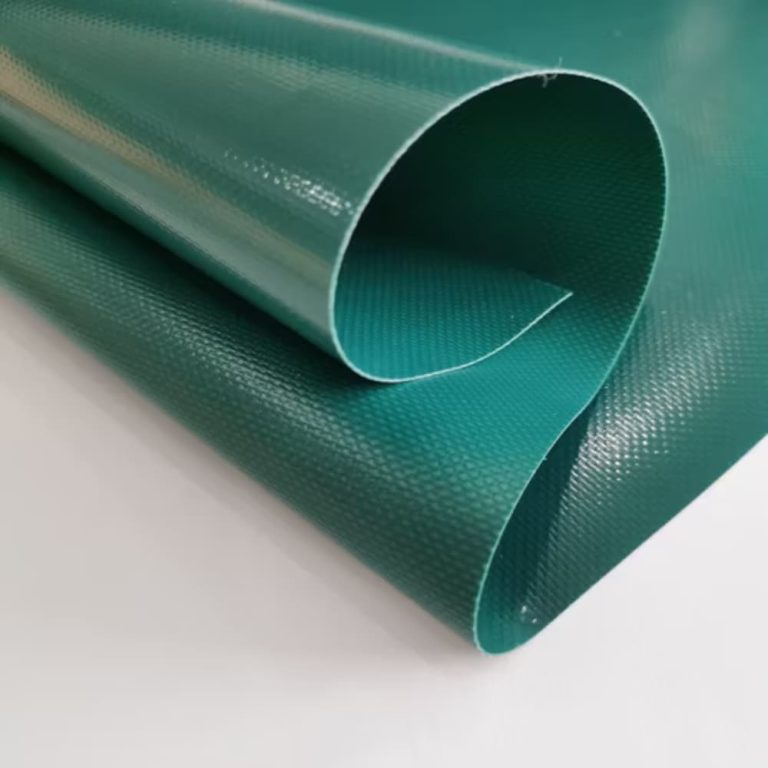
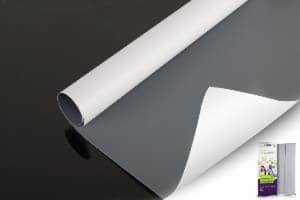
PVC laminated tarpaulin joins PVC layers to a textile reinforcement. It offers another construction route for covers, awnings, and tent-related products. ULT1817/550 is a listed laminated grade with a 500D × 500D base; the official product image shows a striped version.

Here’s Why It’s Popular:
- Example: ULT1817/550, listed at 550 g/m².
- Reinforcement: 500D × 500D yarn; 18 × 17 per square inch.
- Roll supply: Maximum listed width 5.1 m; 50 m or 100 m lengths.
- Typical applications: Covers, awnings, and suitable tent components.
- Advantages:
- A laminated construction to compare with coated material for the same project.
- Color and striped options for applications where appearance matters.
- A specified base fabric for discussing handling and fabrication needs.
Confirm the required color, finish, and performance on the supplied grade. A striped appearance is a design option, not a different waterproofing mechanism or proof of a particular service life.
Explore material specifications
Request a Free Sample3. Clear PVC Tarpaulin Material
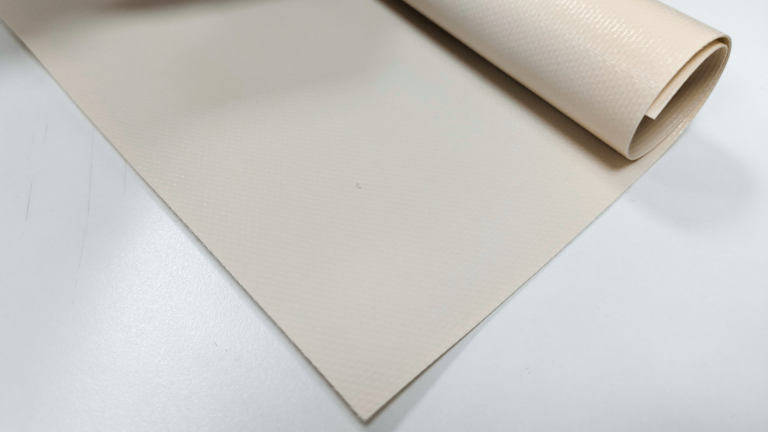
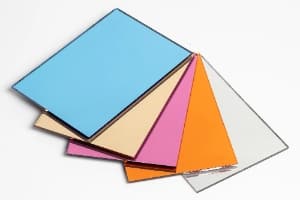
Clear PVC tarpaulin is useful where protection is needed while retaining visibility or admitting light. The super-clear film described here is solid PVC rather than polyester-reinforced coated fabric. It can be considered for approved transparent panels, curtains, and enclosure details.

Here’s Why It’s Popular:
- Material: Super-clear flexible PVC film.
- Published range: The product description lists 0.1–3 mm thickness and widths up to 2 m; confirm the specific roll offered.
- Typical applications: Transparent doors, window curtains, clear tent panels, and table coverings.
- Selection priority: Clarity, thickness, flexibility, joint compatibility, and the conditions of use.
- Advantages:
- Visibility through a continuous sheet.
- A light-transmitting option for selected enclosure details.
- A material family that can be specified by thickness and optical appearance.
Clear film is not interchangeable with a reinforced load-bearing textile. Support and attachment details need to suit the selected film, and roof use requires a suitable complete design. Reinforced clear tarpaulins are a separate option to discuss when a visible scrim is acceptable.
Explore material specifications
Request a Free SampleWhy Choose UNISIGN?
- Different construction options: Compare reinforced coated and laminated tarpaulins with clear PVC materials.
- Specific product references: Discuss actual models and supply dimensions instead of a generic waterproof label.
- Samples for evaluation: Review the material and finished joint before confirming a production order.
UNISIGN supplies tarpaulin materials for fabricators and distributors. Provide the cover or enclosure design and its service conditions so the material discussion can focus on the properties that matter.
Request Factory Prices and Free Samples
Request factory prices and free samples with your application, opacity or clarity needs, size, color, weight or thickness, fabrication method, quantity, and delivery destination.