Cast print vinyl is selected as part of a graphics system that includes film, adhesive, ink, laminate, and installation method. It can be considered for demanding vehicle graphics and other approved applications, but the word cast does not identify every feature of the finished roll.
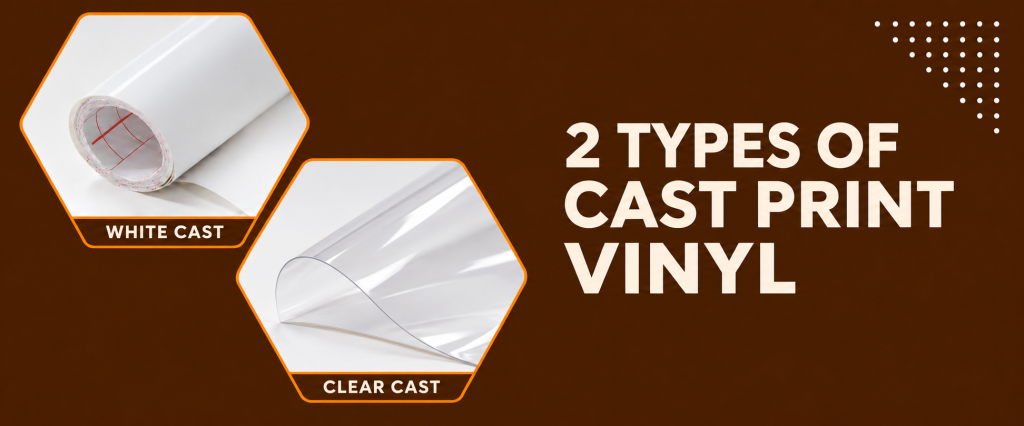
Two useful visual types are white cast print vinyl and clear cast print vinyl. White film supplies the print background; clear film allows transparent areas to remain in the design. UNISIGN UV1801G is a published cast-vinyl reference. Confirm current clear-cast availability and technical data separately rather than assuming that any transparent vinyl is cast.
1. White Cast Print Vinyl
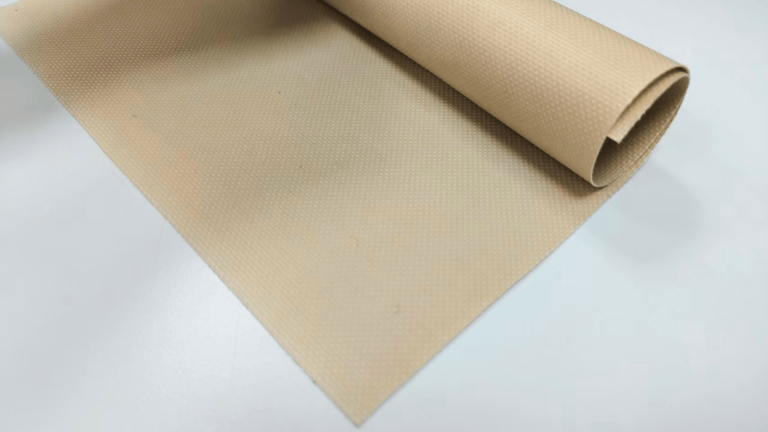
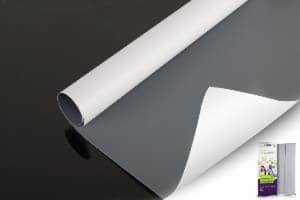
White cast print vinyl is a starting point for full-colour graphics that need a white base. Photographs, logos, and fine text can be reproduced as one printed design. For an enquiry to UNISIGN, UV1801G provides a cast-film model with published roll and liner specifications.

Here’s Why It’s Popular:
- Uses to discuss: Vehicle advertising, car decoration, and other approved printed graphics.
- Model reference: UV1801G.
- Face film: 50 microns / 0.05 mm.
- Release liner: 160 g/m², coated with PE on both sides.
- Roll format: 1.52 m width; 30 m or 50 m lengths.
- Listed inks: Solvent, eco-solvent, UV, and latex.
- Advantages:
- A white base for a wide range of printed artwork.
- A listed bubble-free feature to evaluate during installation.
- A documented cast-film reference for system selection.
The product listing gives five to seven years of outdoor durability. Ask for the conditions applying to the finished printed and laminated graphic. Confirm the permitted curves, recesses, stretching, and installation method before specifying a complete vehicle wrap.
Use a sample print to review colour, handling, liner release, and edge adhesion. A compatible laminate should be selected for the exact film and application, rather than chosen by appearance alone.
Request a Free Sample2. Clear Cast Print Vinyl
Clear cast print vinyl is an industry option when the underlying surface or unprinted transparent areas should remain visible. It changes how the artwork interacts with its background. A design that looks strong on white paper may need a white-ink layer or a different colour treatment on clear film.

Here’s Why It’s Popular:
- Uses to discuss: Selected transparent graphics and designs that incorporate the underlying surface.
- Required face film: A confirmed cast printing film in a transparent construction.
- Artwork decisions: Clear areas, colour density, white-ink placement, and viewing direction.
- Order checks: Adhesive clarity, finish, liner, printer compatibility, roll dimensions, and available laminate.
- Advantages:
- Transparent areas can form part of the visual design.
- An alternative to a continuous white film background.
- A way to combine printed colour with the appearance of the substrate.
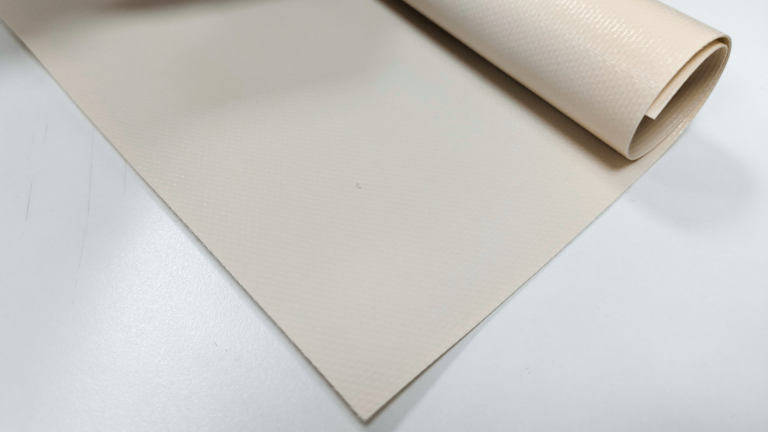
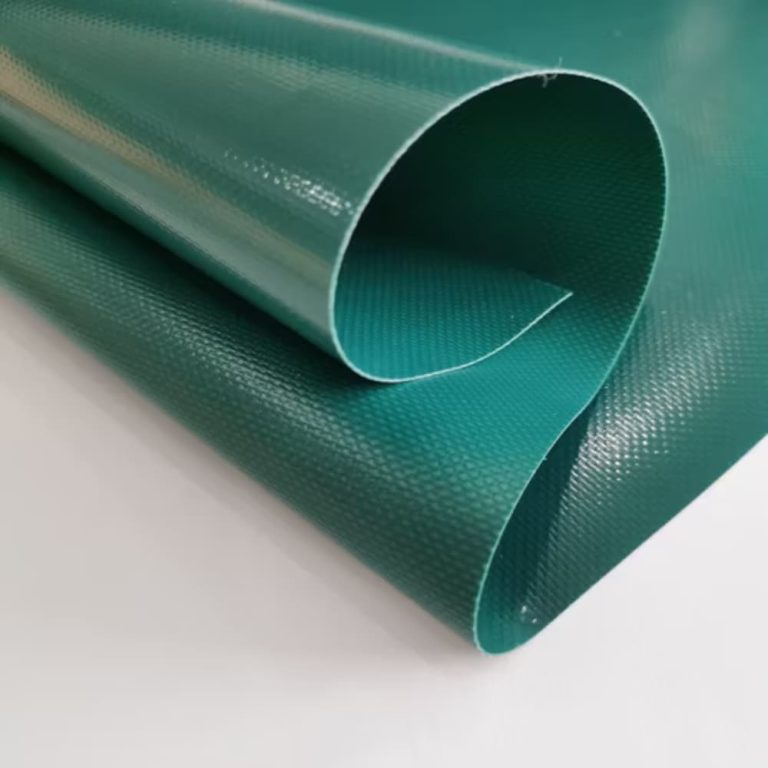
The image is an appearance reference from UNISIGN’s transparent-vinyl range. It does not identify SAV12T/140 as cast film. Request a confirmed clear-cast specification and current availability when enquiring.
Examine the finished sample against the actual background under realistic lighting. Check clarity, adhesive appearance, print density, and the effect of any laminate. For glass, confirm the installation side and whether the proposed film system is appropriate for that glazing.
Discuss transparent-film requirements
Request a Free SampleWhy Choose UNISIGN?
- A cast-vinyl model reference: Use UV1801G to start a detailed printing-film enquiry.
- Application-based specification: Discuss the artwork, surface, and geometry before selecting the roll.
- Samples for approval: Check the finished graphic with the intended production and installation process.
Send your substrate, artwork type, printer, laminate requirements, roll size, expected service period, and quantity to discuss cast print vinyl.
Request Factory Prices and Free Samples
Request current cast-vinyl specifications, samples, and factory pricing for your graphics project.