UNISIGN · PVC Banner Roll Guide
Choose coated PVC banner for long-term outdoor use, sharper detail and fewer replacements. Choose laminated PVC banner for short promotions, frequent graphic changes and a lower initial purchase cost.
The core difference is the manufacturing process. Coated material applies and cures liquid PVC directly on the base fabric. Laminated material bonds pre-made PVC films to the base fabric with heat and pressure.
Short answer: Coated PVC banner provides a more uniform print surface, greater flexibility and a longer outdoor service life. Laminated PVC banner meets the needs of short campaigns and frequently changed graphics at a lower initial purchase cost. Start with service life, then compare print requirements and total project cost.
What Is the Difference Between Coated and Laminated PVC Banner?
You do not need to study complex formulations first. Use these seven points to make the initial material choice.
| Comparison | Coated PVC Banner | Laminated PVC Banner |
|---|---|---|
| Manufacturing process | Liquid PVC is applied directly to the textile base and cured into an integrated structure | Pre-made PVC films are bonded to the textile base with heat and pressure |
| Print surface | Flat and uniform for sharp text, photographs and detailed graphics | Smooth and consistent for standard wide-format printing and large promotional graphics |
| Flexibility | Softer and easier to roll, sew and weld | Stiffer construction for flat displays and high-volume production |
| Outdoor service life | For long-term outdoor advertising and projects that require fewer replacements | For short outdoor events, temporary advertising and frequently updated campaigns |
| Initial purchase cost | Higher | Lower |
| Long-term cost | Fewer replacements make it suitable for long-term projects | Lower cost per order makes it suitable for short-term projects |
| Choose it for | Long service life, print quality and weather resistance | Short service life, lower budget and frequent updates |
Coated: Liquid PVC Applied and Cured Directly
The coating bonds directly to the base fabric, creating a uniform surface while retaining good flexibility.
Laminated: Pre-Made PVC Films Bonded by Heat and Pressure
Pre-made films are bonded to both sides of the base fabric for efficient production and a smooth, consistent finish.
What Is Coated PVC Banner Material?
Designed for Long-Term Displays and High-Quality Printing
Coated PVC banner is made by applying liquid PVC directly to a polyester base fabric and curing it into a strong, integrated structure. The material is available in matte, semi-gloss and gloss finishes.
- Printing: The uniform surface supports high-resolution graphics and sharp small text.
- Finishing: Soft and easy to roll, cut, sew, hem and weld.
- Weather resistance: Waterproof and weather-resistant for long-term outdoor projects.
- Cost: A higher initial price is balanced by fewer replacements over a long project.
Coated Banner Advantages
- Better image detail and color performance
- High flexibility for easy rolling and transport
- Coating resists cracking and peeling
- Suitable for long-term outdoor advertising
- Fewer replacements and less maintenance
What to Consider When Buying
- Higher initial purchase cost than laminated material
- Short, one-time projects do not need the added material cost
- Include GSM, width, roll length, quantity and application in your inquiry
Need long-term outdoor performance or sharper graphics?
Request a coated banner roll sample and test it on your printer.
What Is Laminated PVC Banner Material?
Designed for Short Campaigns and Cost Control
Laminated PVC banner bonds pre-made PVC films to a polyester base fabric with heat and pressure. The process is efficient, creates a smooth surface and supports standard wide-format printing.
- Printing: Handles standard advertising graphics with text, logos and large color areas.
- Production: Supports high-volume manufacturing and fast restocking.
- Use: Built for short displays, temporary events and frequently updated advertising.
- Cost: A lower initial price keeps each project budget under control.
Laminated Banner Advantages
- Lower initial purchase cost
- Smooth surface that is easy to clean
- Meets standard advertising print requirements
- Suitable for high-volume and frequently updated projects
- Easier cost control for short-term campaigns
What to Consider When Buying
- Lower long-term weather resistance and flexibility than coated material
- Long-term outdoor projects require more replacements
- Recalculate printing, installation and replacement costs when the project duration increases
Need a short promotion or frequent graphic changes?
Get laminated roll specifications, samples and a volume quote.
When Should You Choose Coated or Laminated PVC Banner?
Choose Coated PVC Banner
- Long-term outdoor installation
- Photographs, gradients, small text and brand colors matter
- The banner will be rolled, moved or finished repeatedly
- Stronger weather resistance is required
- You want fewer replacements and less maintenance
Choose Laminated PVC Banner
- The project has a short service life
- Promotional content changes frequently
- Initial purchase cost is the priority
- Graphics mainly use text, logos and large color areas
- The material is for promotions, events, elections or temporary displays
Which Projects Suit Each Material?

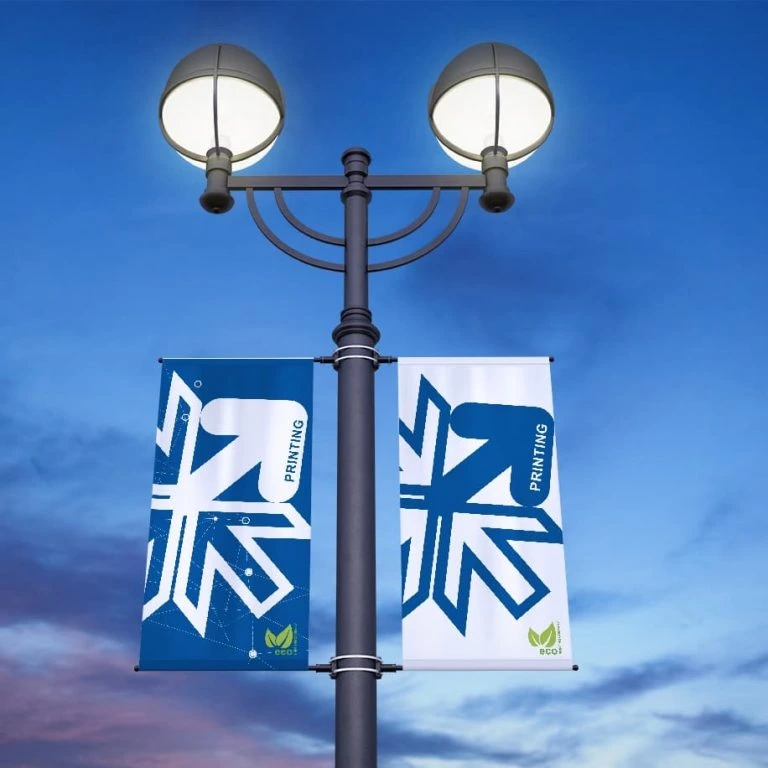
Compare Real 440 GSM Coated and Laminated Rolls
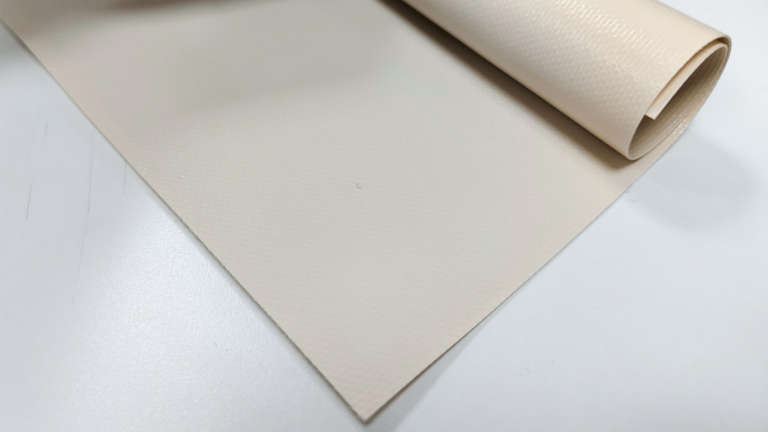
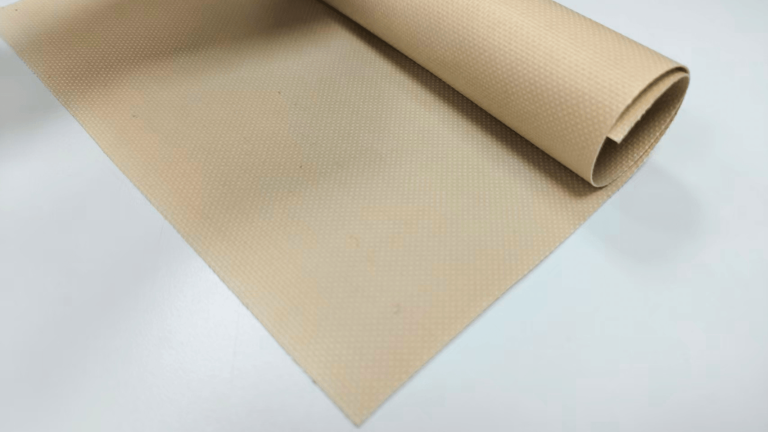
Both products below are 440 GSM matte frontlit rolls and provide a practical starting point for choosing a construction. Their base fabric densities differ, so GSM alone does not determine performance.

CFM11/440
- Weight: 440 GSM
- Base fabric: 1000 × 1000D, 18 × 18/sq.in
- Widths: 1–3.2 m and 5 m
- Roll length: 50 m

LFM11/440
- Weight: 440 GSM
- Base fabric: 1000 × 1000D, 9 × 9/sq.in
- Widths: 1–3.2 m and 5 m
- Roll length: 50 m
Need a heavier roll or an opaque black back?
Also compare CFM11/510 Coated and LFM11B/510 Laminated Black Back.
Model, GSM, base fabric, width and roll length are taken from the corresponding product pages. Evaluate each model separately instead of applying one roll’s results to an entire material category.
Coated vs Laminated PVC Banner FAQs
What is the main difference between coated and laminated PVC banner?
The manufacturing process is different. Coated material applies and cures liquid PVC directly on the base fabric. Laminated material bonds pre-made PVC films to the base fabric with heat and pressure. This difference affects the surface, flexibility, service life and cost.
Which PVC banner is more durable?
Coated PVC banner is the better choice for long-term outdoor projects. Its coating bonds directly to the base fabric, providing stronger flexibility and weather resistance with fewer replacements.
Which material delivers better print quality?
Coated PVC banner has a more uniform surface for sharp small text, photographs, gradients and brand colors. Laminated PVC banner meets standard advertising needs for text, logos and large color areas.
Which banner material has a lower purchase cost?
Laminated PVC banner has a lower initial purchase cost and suits short promotions and frequently updated graphics. For a long-term project, include printing, installation and replacements in the total cost.
Is laminated PVC banner always thicker and heavier?
No. Weight and thickness are model-specific. Compare GSM, base fabric, thickness, width and roll length directly instead of using the coated or laminated name as a substitute for a specification sheet.
Can both materials be used outdoors?
Yes. Both materials are waterproof. Choose coated PVC banner for long-term outdoor advertising and laminated PVC banner for short outdoor events and temporary promotions.
What information should I provide for a quote?
Provide coated or laminated construction, banner type, GSM, roll width, roll length, quantity, printing method, use environment and project duration for an accurate model recommendation and quote.
Get the Right PVC Banner Roll for Your Project
Tell us the construction, GSM, width, roll length, quantity, printing method and application. We will provide the matching model, samples and quote.
![Top 10 Vinyl Tarp Manufacturers in the World [2026 Guide]](https://unisignflex.com/wp-content/uploads/2026/04/pvc-tarpaulin-product-line.jpg)