SEG fabric is printed textile finished with a silicone edge that fits into a compatible frame channel. The result depends on the fabric, printing process, cutting pattern, edge sewing, and frame working together. A good material choice starts with how the display will be lit and viewed.
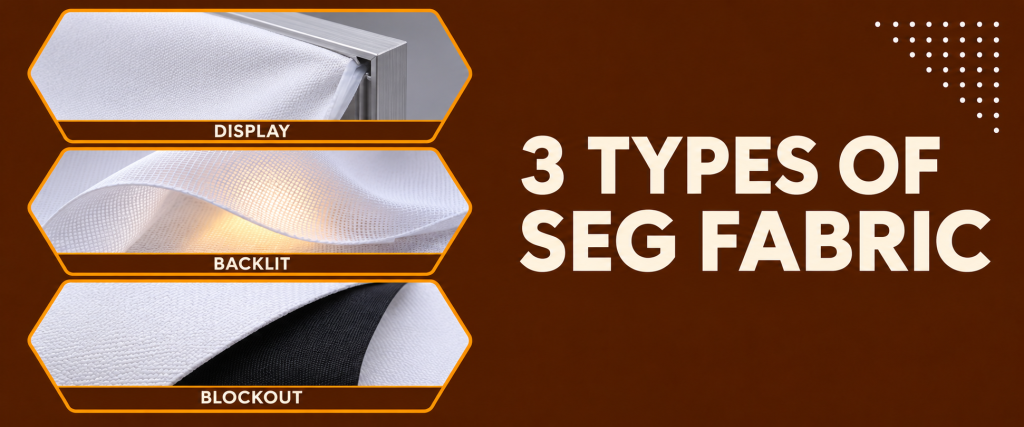
Here are three practical types of SEG fabric: non-lit display fabric, backlit fabric, and blockout fabric. These groups describe display requirements rather than a universal fabric specification. Confirm the exact grade and finishing method for your frame system.
1. Non-Lit SEG Display Fabric
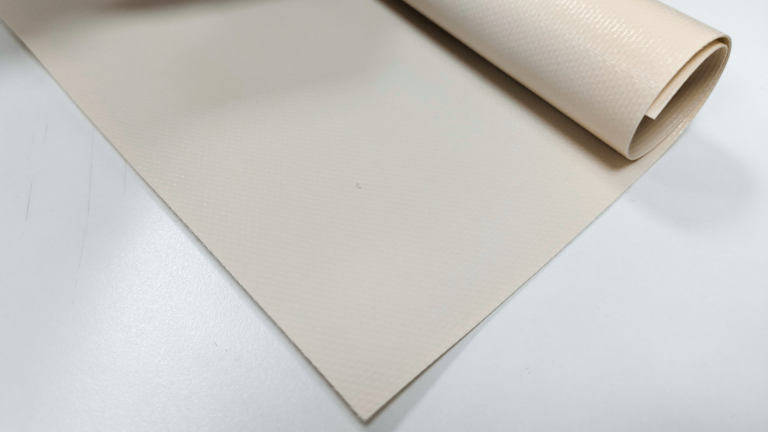
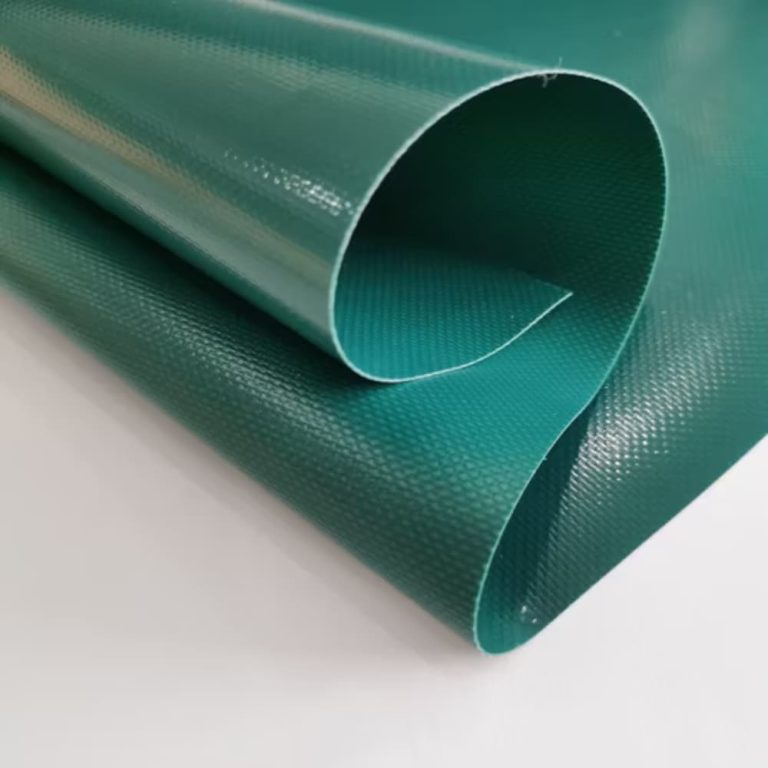
Non-lit SEG fabric is used where the graphic is illuminated by the room rather than a light source behind it. DSP09 Mars is a warp-knitted display textile with slight stretch. It provides a starting point for developing a smooth fitted panel for exhibition frames, retail graphics, and other compatible display systems.

Here’s Why It’s Popular:
- Model: DSP09, 230 g/m².
- Construction: Warp-knitted display fabric with slight stretch.
- Roll format: Maximum width 3.2 m; standard length 100 m.
- Printing: Direct or paper-transfer dye sublimation.
- Advantages:
- A soft, matte-looking textile surface for indoor graphics.
- Slight stretch to help develop an even fitted display.
- A useful grade to sample for repeatable graphics in the same frame system.
Test the fabric in the actual frame and lighting. A standard display textile is not automatically a blockout material; background objects or bright light may still influence the finished appearance.
Approve the cut size after printing and heat treatment, then sew a test silicone edge. Excess tension can distort artwork, while insufficient tension can leave waves around the frame.
Explore material specifications
Request a Free Sample2. Backlit SEG Fabric
Backlit SEG fabric forms the illuminated face of a light box. The textile needs to work with the printed image and the lighting system to create the approved appearance. STB190 Aurora Backlit Plus B is a woven grade with slight stretch, and its product page specifically lists SEG light boxes and frame systems.

Here’s Why It’s Popular:
- Model: STB190, 190 g/m².
- Construction: Woven backlit fabric with slight stretch.
- Roll format: Up to 3.2 m wide; standard length 100 m.
- Printing: Paper-transfer dye sublimation only in the model specification.
- Advantages:
- A material option specifically listed for SEG light-box applications.
- A textile face that can be evaluated with the display illuminated.
- A route for print businesses using compatible paper-transfer production.
Approve a printed sample on the intended light box. Check color with the lights on and off, uniformity across the panel, and any visible LED pattern. Frame depth and LED layout are part of this evaluation.
Do not substitute direct printing for the listed transfer process without supplier confirmation and testing. Printing compatibility differs between backlit textile grades.
Explore material specifications
Request a Free Sample3. Blockout SEG Fabric
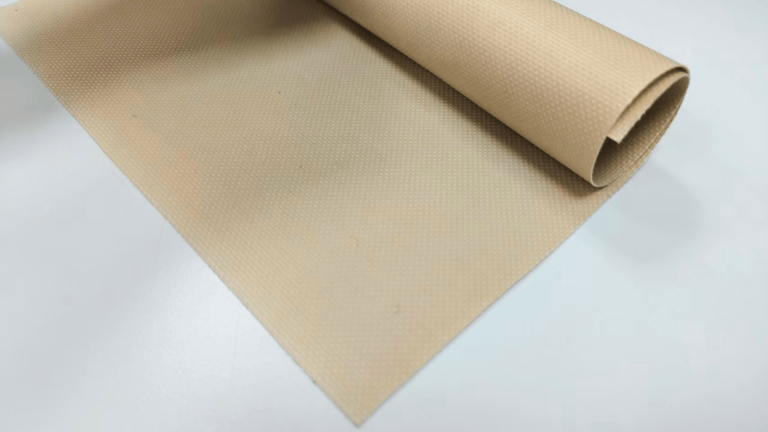
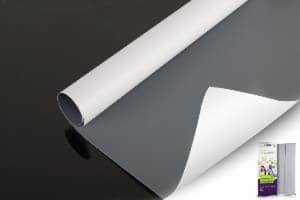
Blockout SEG fabric is selected when a graphic should reduce the visibility of light, structures, or objects behind the display. DSP-BLK-01 Nox combines a white print face with a black reverse. Its warp-knitted structure and slight stretch make it a candidate for opaque fitted walls and backdrops.

Here’s Why It’s Popular:
- Model: DSP-BLK-01, 260 g/m².
- Construction: White/black warp-knitted blockout fabric.
- Roll length: Standard length 100 m.
- Printing: Direct or paper-transfer dye sublimation.
- Advantages:
- Helps separate the printed graphic from a distracting background.
- Provides a white printing face with a dark reverse.
- An option for non-illuminated display walls where opacity matters.
The individual product page lists a maximum width of 5 m, while the category table lists 3.2 m. Confirm the currently supplied width before planning a seamless panel.
Check light blocking, frame visibility, edge appearance, and panel fit on a finished sample. A black reverse is not the same as two independently printable faces.
Explore material specifications
Request a Free SampleWhy Choose UNISIGN?
- Different optical choices: Compare display, backlit, and blockout grades around the installation.
- Defined model references: Discuss weight, width, printing method, and finishing with the intended specification.
- Sample-based approval: Test the complete printed panel before committing to a production run.
UNISIGN supplies textile rolls for SEG graphics and display production. Share your frame drawing and print workflow to help select materials for sampling.
Request Factory Prices and Free Samples
Request factory prices and free samples with the SEG frame type, light-box details if relevant, printer and ink, fabric width, panel dimensions, quantity, and destination.