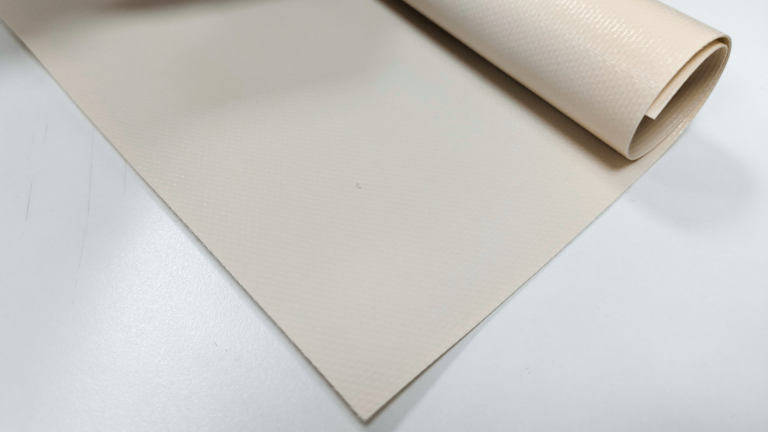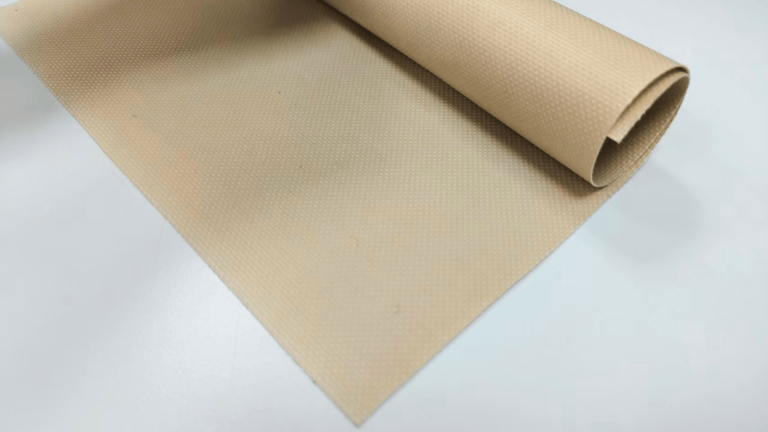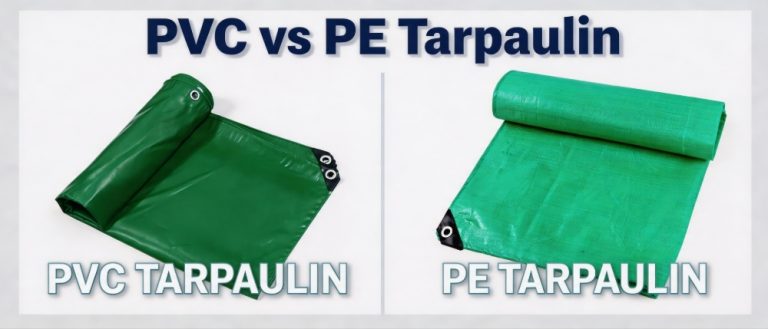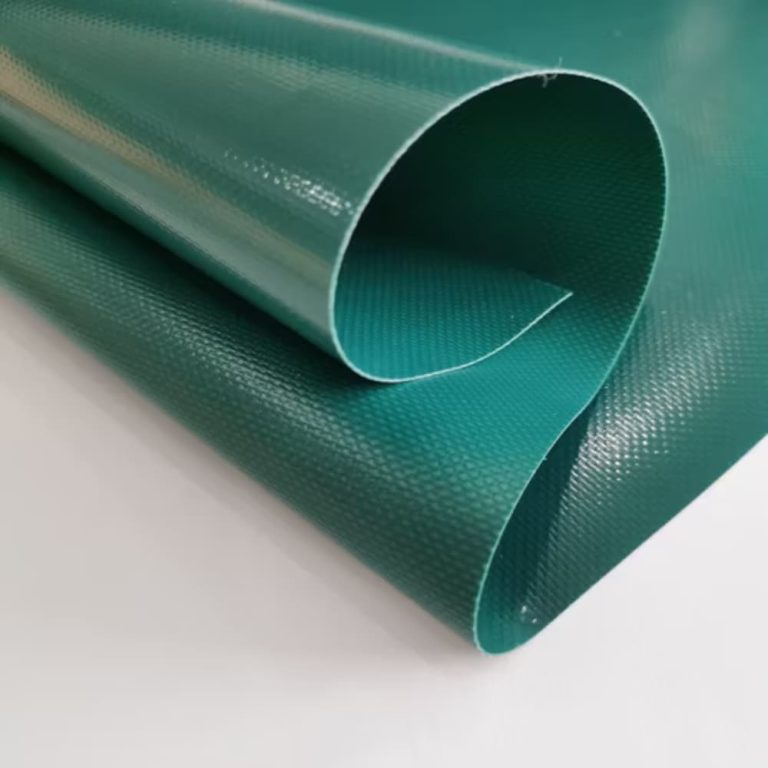
Polymeric vinyl is used for printed signs, lettering, and decorative graphics when the film construction needs to match the intended surface and service period. Selecting it involves more than choosing a thickness. The printing base, adhesive, finish, liner, and application method all affect the finished result.
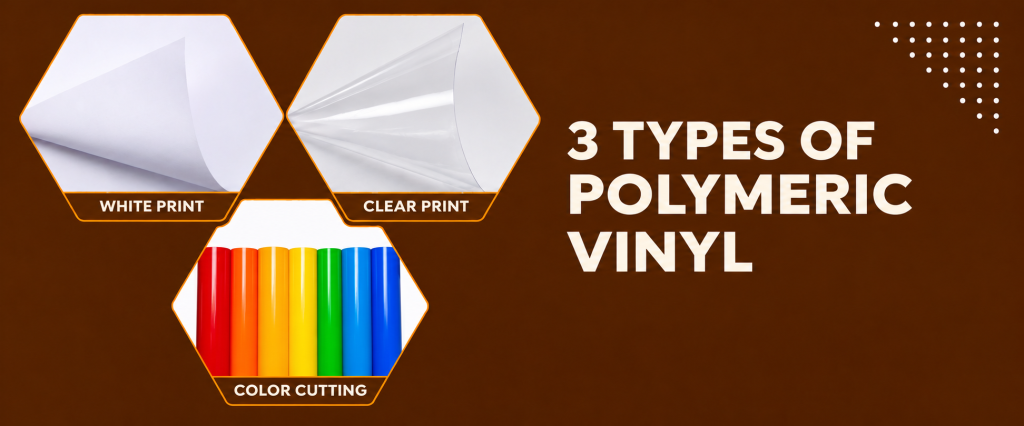
Three useful product families to compare are white printable polymeric vinyl, clear printable polymeric vinyl, and colored polymeric cutting vinyl. UNISIGN UV1501 is a published polymeric printing-film reference. For clear or colored polymeric configurations, confirm current availability and the face-film formulation before ordering; a transparent appearance or a premium label does not establish polymeric construction.
1. White Printable Polymeric Vinyl
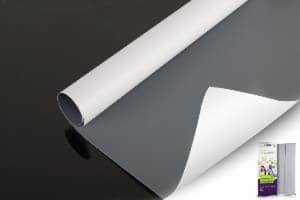
White printable polymeric vinyl gives artwork a white base for photographs, logos, and text. It is a practical option to evaluate for advertising panels and suitable vehicle graphics. UNISIGN UV1501 provides a model with an explicitly listed polymeric film and bubble-free feature.

Here’s Why It’s Popular:
- Uses: Printed signs and approved vehicle advertising applications.
- Model reference: UV1501.
- Face film: 80 microns / 0.08 mm.
- Release paper: 140 g/m².
- Roll format: Widths of 0.914, 1.07, 1.27, 1.37, and 1.52 m; standard length 50 m.
- Advantages:
- A white printing base for many graphic styles.
- A listed bubble-free construction to evaluate during installation.
- Several widths for planning panel layouts.
The product page lists solvent, eco-solvent, UV, and latex inks and a three-to-five-year outdoor durability range. Confirm the applicable conditions, finish, and laminate. Neither the polymeric label nor air release alone approves every deep recess or complex wrap.
Request a Free Sample2. Clear Printable Polymeric Vinyl
Clear printable polymeric vinyl is an industry product family for graphics that should preserve transparent areas around the print. It can be considered for approved window or clear-panel applications. The visual effect depends on the artwork, ink layers, glass, and lighting, as well as film clarity.

Here’s Why It’s Popular:
- Uses to discuss: Window branding and transparent-panel graphics.
- Required construction: A confirmed clear polymeric printing film with an appropriate adhesive.
- Printing decisions: Installation side, viewing direction, colour density, and any white-ink layer.
- Order details: Face-film thickness, finish, liner, roll dimensions, and compatible printing system.
- Advantages:
- Transparent areas can remain part of the design.
- An alternative to a continuous white film background.
- Scope for layered colour and white-ink effects on a compatible printer.
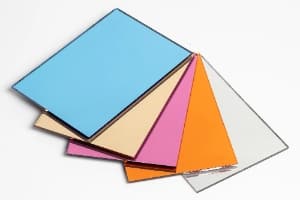
The photograph illustrates UNISIGN transparent vinyl appearance. SAV12T/140 is not identified here as a confirmed polymeric model. Request the current clear polymeric specification and a sample before including it in an order.
Discuss clear-film configurations
Request a Free Sample3. Colored Polymeric Cutting Vinyl
Colored polymeric cutting vinyl uses the film’s own colour to form lettering, logos, and decorative shapes. The design is cut, weeded, and transferred to the approved surface. It is worth comparing when the graphic uses solid colours and does not require a photographic print.

Here’s Why It’s Popular:
- Uses: Lettering, solid-colour logos, and decoration on approved substrates.
- Production method: Plotter cutting, weeding, and application with a suitable transfer film.
- Required checks: Polymeric face film, colour, finish, adhesive, cutting settings, and minimum design detail.
- Advantages:
- Solid-colour graphics without a digital print stage.
- Separate lettering and shapes with no continuous background sheet.
- A colour-and-finish selection that can be checked using physical samples.
UNISIGN’s cutting-vinyl photographs show the product family’s appearance. The UC8000 page describes a premium grade but does not explicitly establish polymeric chemistry. Ask for a confirmed polymeric cutting-film option; do not infer the formulation from its stated durability.
Request a Free SampleWhy Choose UNISIGN?
- A published polymeric reference: Use UV1501 as a starting point for printable-film enquiries.
- Application-led discussions: Share artwork and surface details when requesting other configurations.
- Samples before volume orders: Confirm the exact film, adhesive, and production process.
Send your graphic type, substrate, printer or cutter, expected service period, roll requirements, and quantity to discuss a suitable specification.
Request Factory Prices and Free Samples
Request polymeric vinyl samples, current technical data, and a quotation for your application.