Digital print vinyl gives signs, retail displays, and vehicle graphics a printable adhesive surface. A sharp image is only one part of a successful job: the film also needs to feed through the printer, work with the selected ink, accept the intended finish, and suit the installation surface.
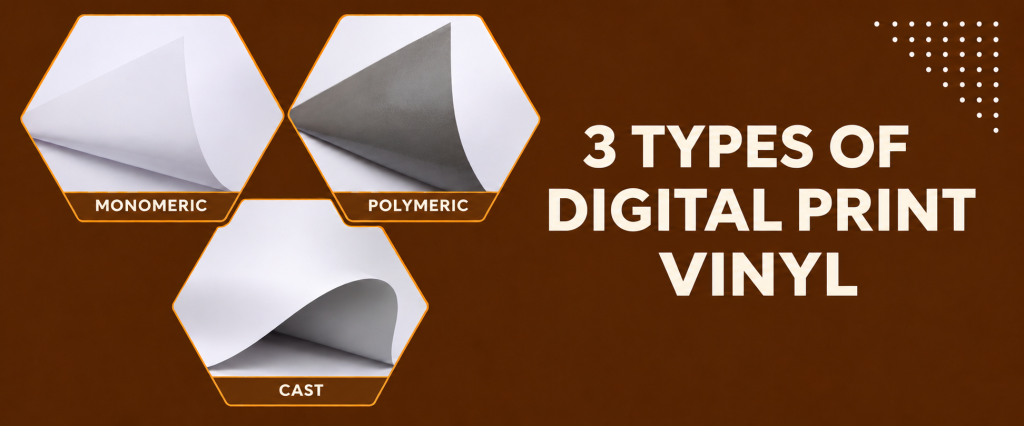
Three common film options are monomeric calendered vinyl, polymeric calendered vinyl, and cast vinyl. Below are UNISIGN examples and the production questions that help you choose between them.
1. Monomeric Digital Print Vinyl
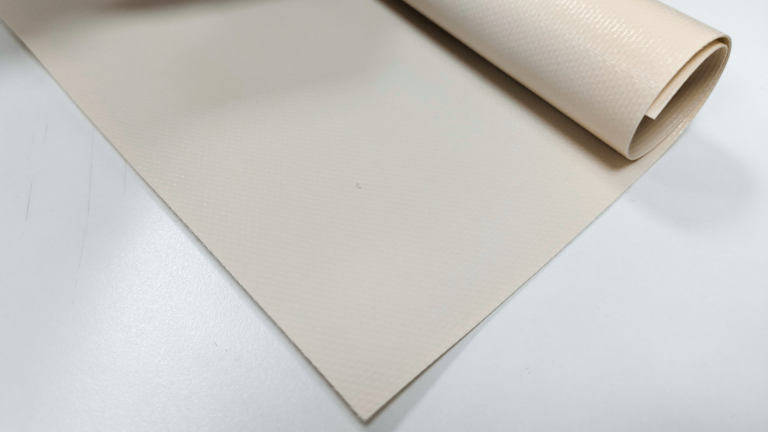
Monomeric digital print vinyl is often considered for flat graphics with a shorter promotional life. It gives print shops an economical film class to evaluate for simpler signs. UNISIGN UV1301 is a monomeric model suitable for a flat-panel sample comparison.

Here’s Why It’s Popular:
- Uses: Suitable retail promotions, flat sign panels, and short-term advertising.
- Model: UV1301.
- Face film: 100 microns / 0.10 mm.
- Release paper: 140 g/m².
- Roll format: Widths of 0.914, 1.07, 1.27, 1.37, and 1.52 m; standard 50 m length.
- Listed ink compatibility: Solvent, eco-solvent, UV, and latex.
- Advantages:
- A practical route for uncomplicated promotional graphics.
- Multiple widths for arranging print jobs.
- A defined model for assessing colour and finishing behaviour.
Run a test containing fine text, gradients, and solid colour areas. Then finish and apply it to the actual panel. Select an approved wrap construction if the design must enter deep recesses; a printable surface alone does not establish that capability.
Request a Free Sample2. Polymeric Digital Print Vinyl
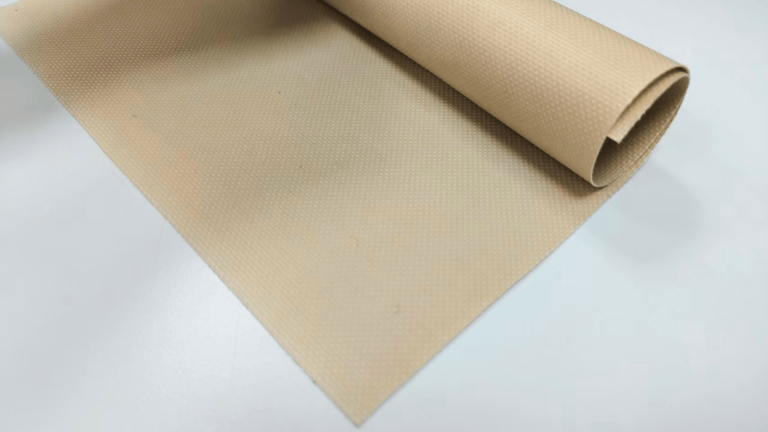
Polymeric vinyl is a useful comparison when dimensional stability becomes more important. It generally suits longer sign campaigns and approved gentle curves better than basic monomeric film. UNISIGN UV1501 combines a polymeric face film with a listed bubble-free feature.

Here’s Why It’s Popular:
- Uses: Longer advertising campaigns, flat panels, and suitable vehicle graphics on approved shapes.
- Model: UV1501.
- Face film: 80 microns / 0.08 mm.
- Release paper: 140 g/m².
- Roll format: Widths of 0.914, 1.07, 1.27, 1.37, and 1.52 m; standard 50 m length.
- Listed ink compatibility: Solvent, eco-solvent, UV, and latex.
- Advantages:
- A film class chosen for improved dimensional stability.
- A bubble-free feature to assess with installers.
- An option between simpler flat-sign work and demanding cast-film applications.
Choose the laminate as part of the same graphic system. Check panel edges, joins, and permitted curves after application. A thicker film is not automatically more durable or more suitable; formulation and the full construction matter.
UV1501 specifications · Monomeric and polymeric comparison
Request a Free Sample3. Cast Digital Print Vinyl
Cast digital print vinyl is commonly considered when a graphic must follow more demanding vehicle shapes. The film is produced by a different process from calendered vinyl. UNISIGN UV1801G is a thin cast model listed for vehicle advertising and car decoration.
Here’s Why It’s Popular:
- Uses: Vehicle advertising, car decoration, and wrap projects approved for the selected film system.
- Model: UV1801G.
- Face film: 50 microns / 0.05 mm.
- Release paper: 160 g/m² paper with PE coating on both sides.
- Roll format: 1.52 m width; listed lengths of 30 m and 50 m.
- Listed ink compatibility: Solvent, eco-solvent, UV, and latex.
- Advantages:
- A cast-film option for more demanding graphic applications.
- A thin face film for the specified installation system.
- A listed bubble-free construction.
Ask for the approved surface shapes, laminate, stretch limits, and installation instructions before committing to a wrap. Confirm that the printed and laminated film remains suitable for the required contours. The cast label is a starting point for selection, not permission to apply every film to every recess.
Request a Free SampleWhy Choose UNISIGN?
- Three film options: Compare monomeric UV1301, polymeric UV1501, and cast UV1801G.
- Production details: Review film thickness, liner construction, roll dimensions, and supported inks.
- Samples for practical decisions: Assess the finished graphic before placing a volume order.
Share your printer, ink, installation surface, finished size, and quantity with UNISIGN to discuss a suitable digital print vinyl specification.
Request Factory Prices and Free Samples
Send your digital print vinyl requirements to request comparison samples and a current quotation.