Reflective vinyl film adds another dimension to signage and vehicle graphics by returning incident light toward its source. Its nighttime appearance depends on illumination and viewing conditions. This is different from a mirror-like metallic finish, fluorescent color, or a material that stores light and glows in the dark.
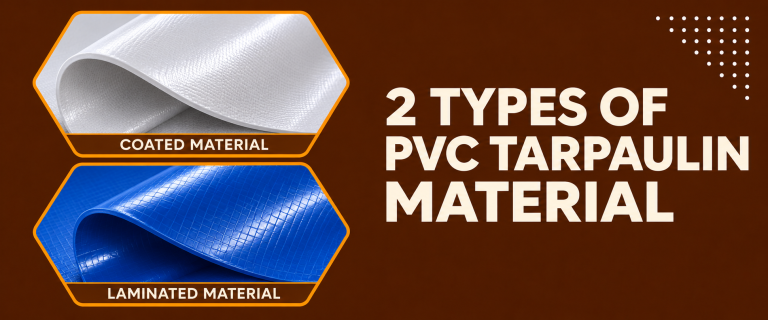
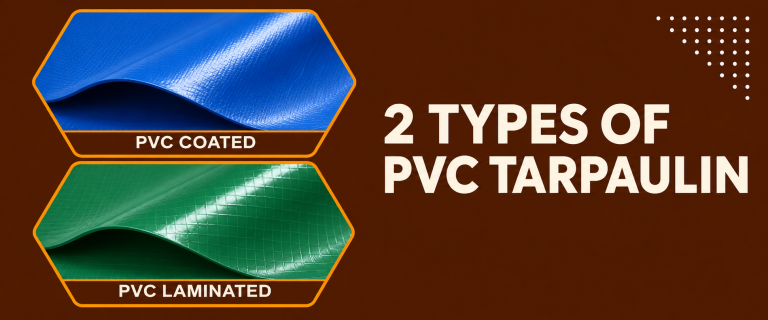
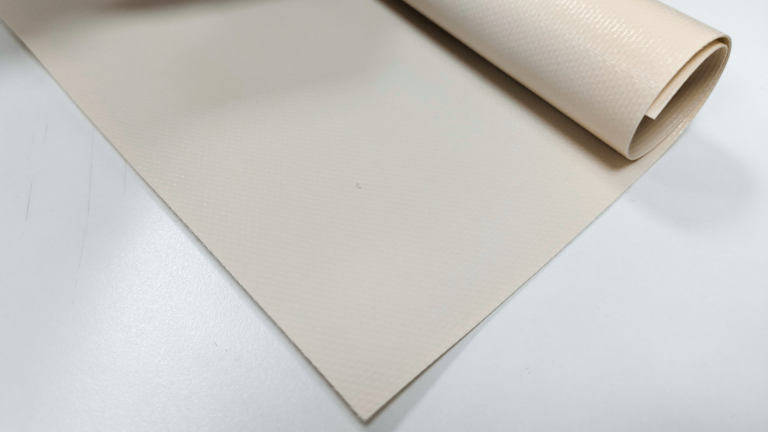
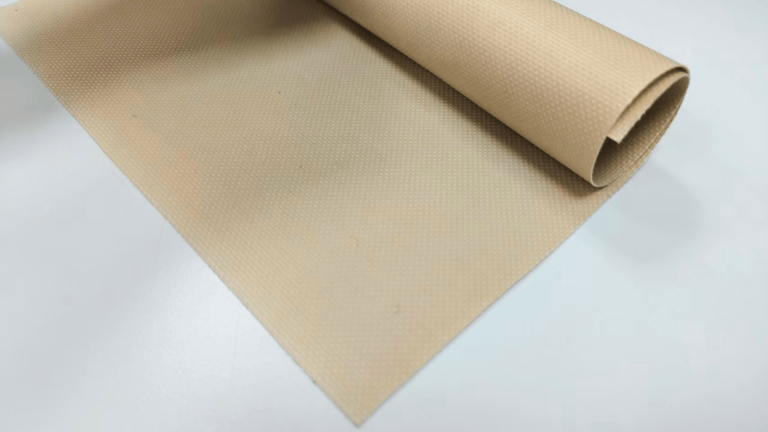
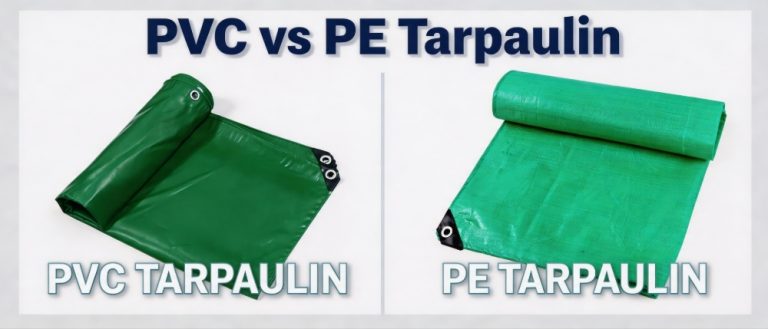
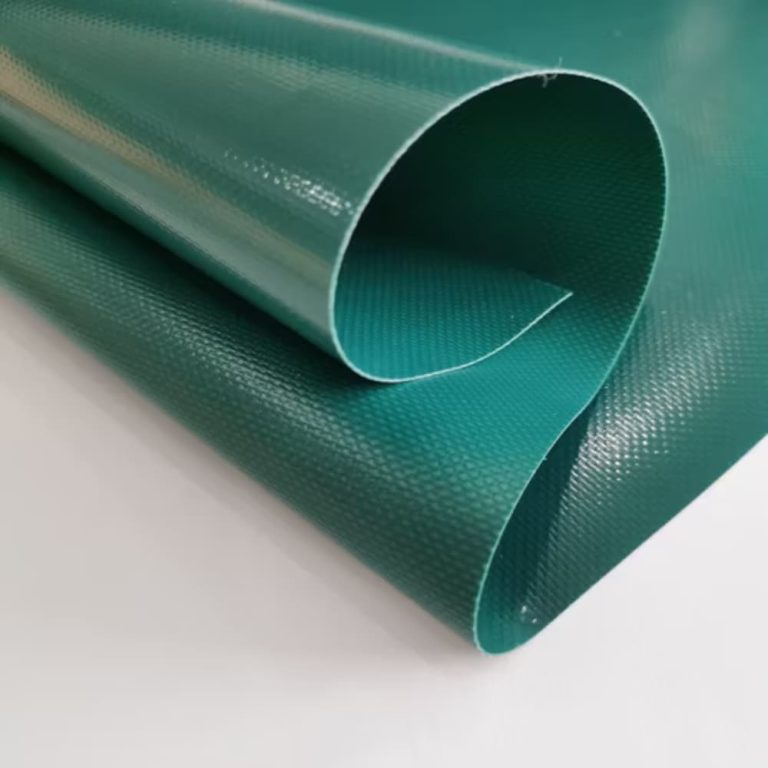
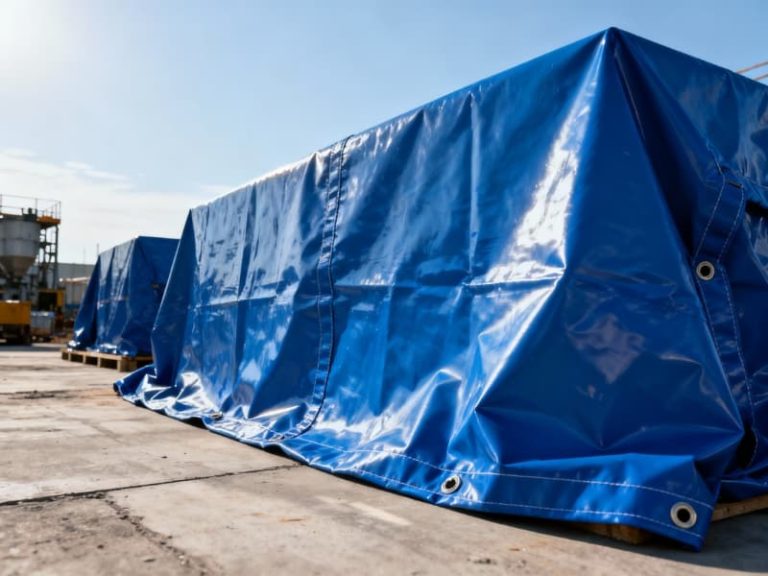
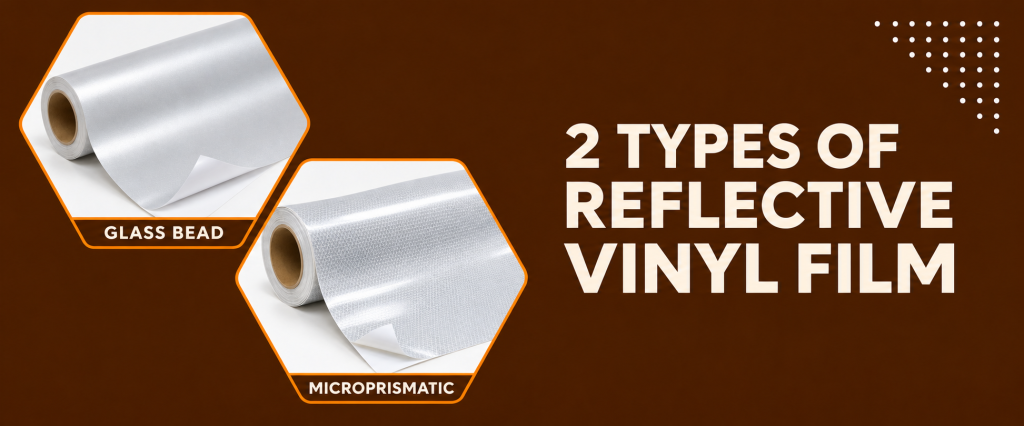
Two important optical constructions are glass-bead reflective vinyl film and microprismatic reflective vinyl film. Both exist in vinyl-based products, although reflective sheeting also uses other polymers. This guide explains the two families; the illustrations are conceptual and do not identify two confirmed UNISIGN stock models.
1. Glass-Bead Reflective Vinyl Film
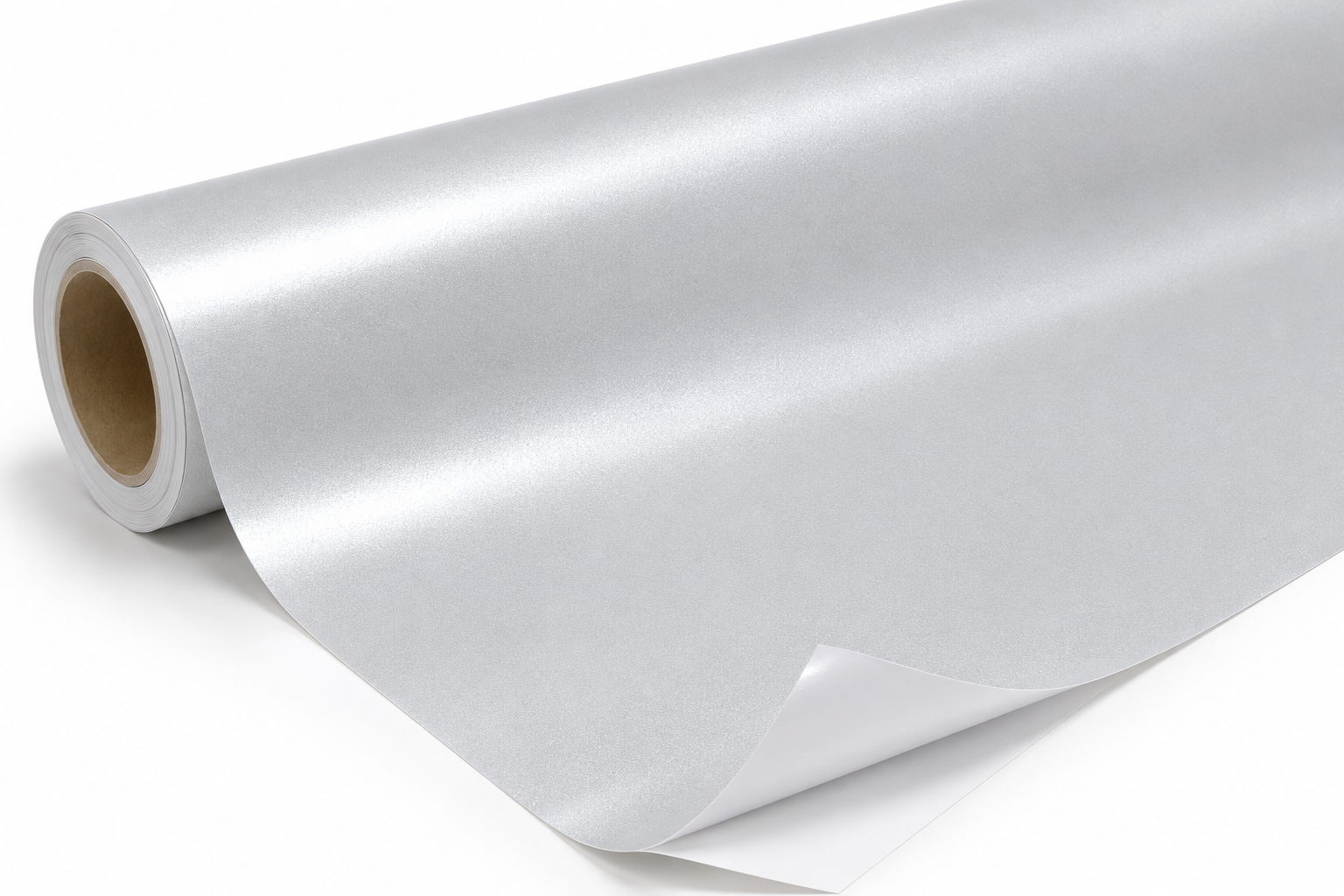
Glass-bead reflective film uses small optical beads within its construction to produce retroreflection. In a vinyl-based graphic film, the face film, optical layer, adhesive, and release liner work together as a finished material. The bead technology describes the optical system, while the product grade defines its actual performance and application limits.
Here’s Why It’s Popular:
- Reflective structure: An optical system based on glass beads.
- Typical buying brief: Reflective lettering, selected vehicle markings, or printed graphics approved for the chosen grade.
- Production checks: Confirm plotter cutting, print process, ink, and any required protective film.
- Application checks: Request the approved substrate, curve limits, adhesive behavior, and service conditions.
- Advantages:
- Available as flexible graphic-film constructions.
- Can support lettering and printed designs where the exact product permits them.
- Offers one established technology to compare by measured performance.
For a documented industry example, ORALITE 5600 is described as a glass-bead reflective marking and digital-print film. Its technical sheet identifies a cast PVC construction. These details apply to that named product, not to every glass-bead film or a UNISIGN equivalent.
A smooth-looking surface or a bright camera-flash photo does not establish the reflective grade. Ask for measured data at the specified observation and entrance angles.
Enquire about a glass-bead reflective-film specification
Request a Free Sample2. Microprismatic Reflective Vinyl Film
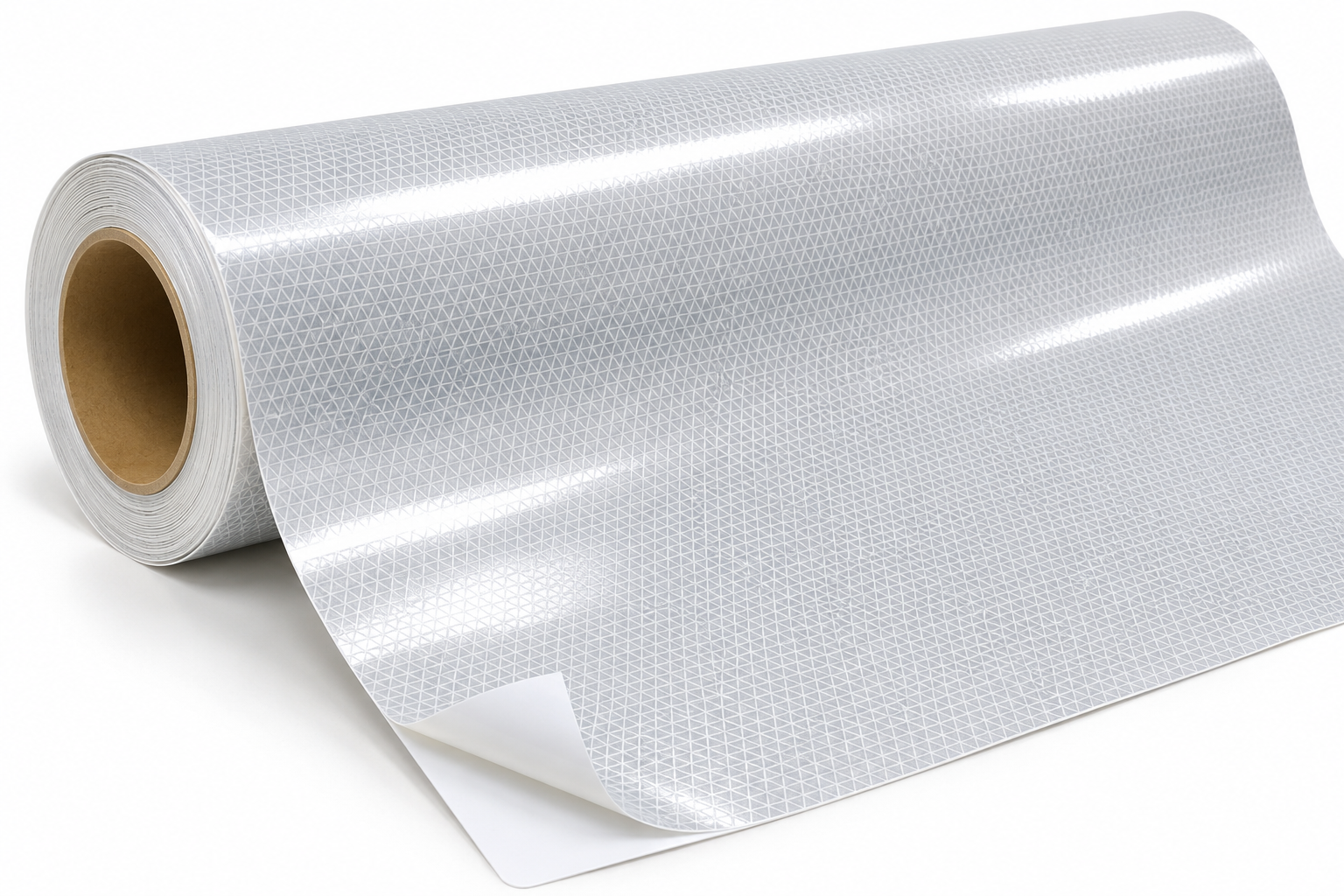
Microprismatic reflective film uses an array of small prism-shaped optical elements instead of glass beads. Vinyl-based versions are available, but the face polymer, flexibility, adhesive, and processing instructions vary between products. Select the complete construction against the intended graphic and viewing conditions.
Here’s Why It’s Popular:
- Reflective structure: A microprismatic optical system.
- Typical buying brief: Vehicle visibility graphics or other markings specified for a suitable prismatic product.
- Production checks: Confirm printing, orientation, cutting, and edge-treatment instructions for the exact grade.
- Material check: If PVC is required, state it explicitly; not all prismatic sheeting is vinyl.
- Advantages:
- Offers another optical design for meeting a defined reflective requirement.
- Available in product constructions intended for vehicle graphics.
- Provides a useful comparison when angle-dependent performance matters.
ORALITE V98 is a documented prismatic graphic-sheeting example. Its application guidance describes it as vinyl-based and limits conforming use to minor curves. This illustrates why a reflective film should not automatically be treated as a full vehicle-wrap film.
A visible cellular pattern does not by itself identify the optical construction or prove compliance. Nor does “microprismatic” mean that every product outperforms every glass-bead product under every viewing condition.
Enquire about a microprismatic reflective-film specification
Request a Free SampleWhy Choose UNISIGN?
- A clear material enquiry: UNISIGN can review the requested format, dimensions, and application before quoting.
- Related reflective media: The site also presents reflective banner material, which should be assessed separately from self-adhesive film.
- Sample-based comparison: Request labeled samples and the supporting specifications for any proposed product.
Tell UNISIGN whether the project needs a bonded graphic film or a flexible banner. Confirm availability, construction, optical performance, and printing requirements before selecting a roll.
Request Factory Prices and Free Samples
Send the intended application, substrate, adhesive requirement, reflective grade or test requirement, color, print method, roll size, quantity, and destination. Request a quotation, labeled samples, and current technical documentation for the proposed material.